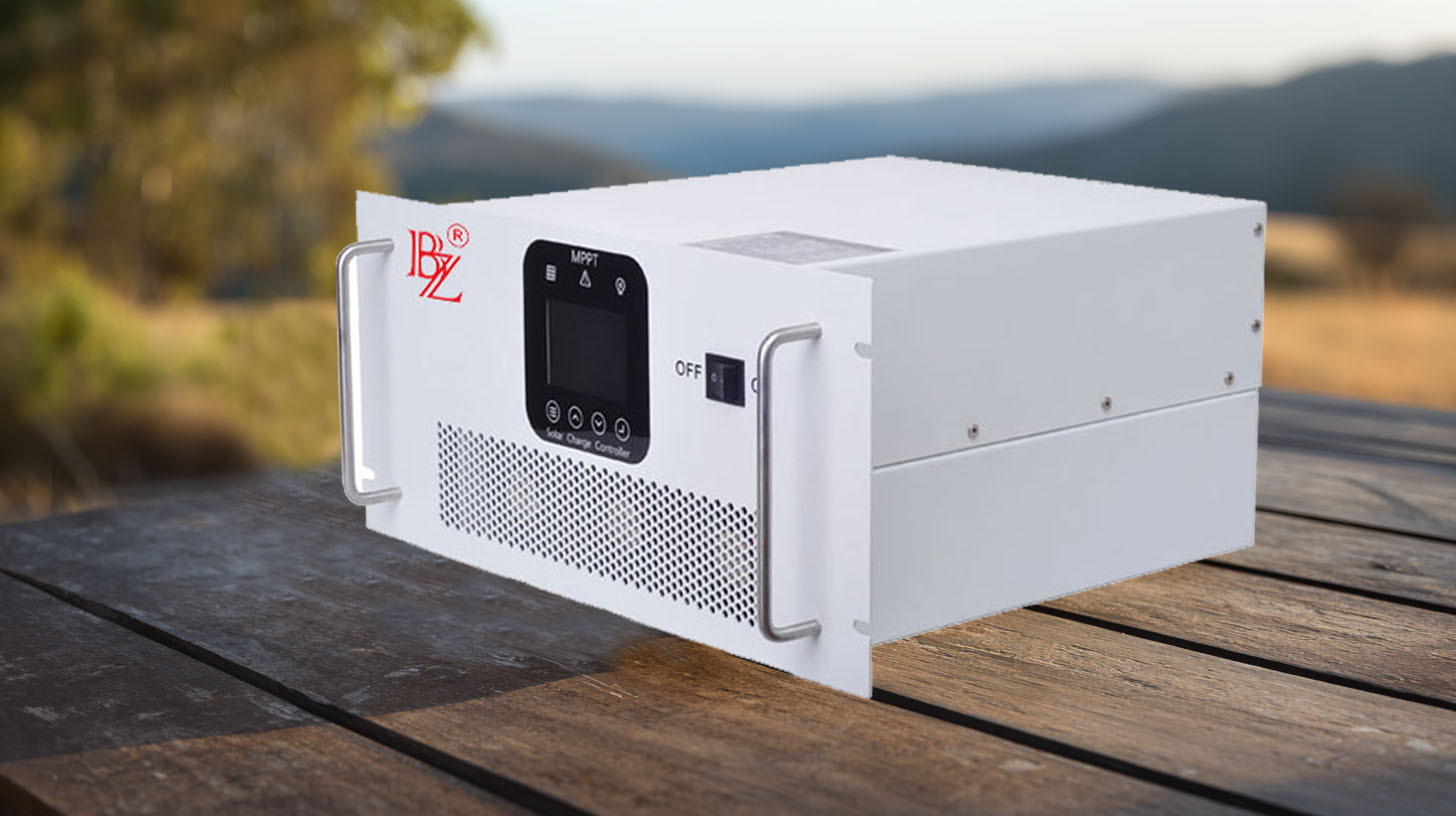
Nowadays, sticking with traditional power grids can feel pretty limiting, right? That’s where an Off Grid Inverter comes in—it's a pretty cool, sustainable solution. Basically, it takes the direct current (DC) from renewable sources like solar or wind and turns it into the alternating current (AC) we use in our homes and businesses. John Smith, a well-known expert in off-grid tech from SolarEdge, puts it simply: "Off Grid Inverters give us the freedom to be more independent and help build a cleaner, greener future."
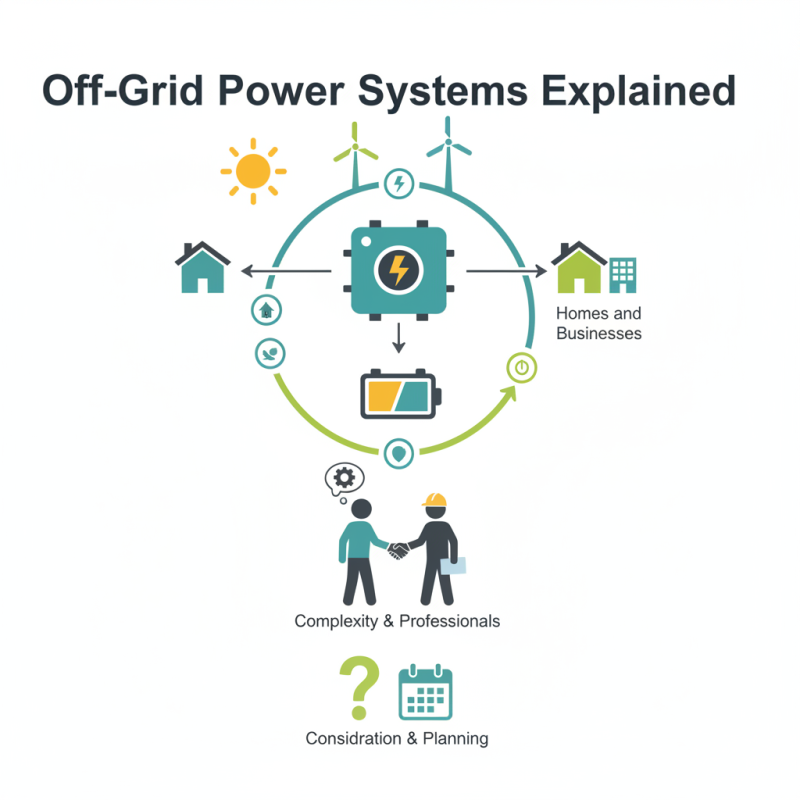
These inverters do more than just tap into solar or wind energy; they can also work alongside a Battery-less Off-Grid Energy Storage Inverter, making power management super efficient. But here’s the thing—most people don’t really know their full potential. Installing and maintaining these systems can seem pretty complicated, especially if you're new to it. It’s really important to grasp the details and have good chats with pros who know their stuff.
Even though technology makes all this possible, switching to an off-grid lifestyle isn’t just plug and play. It takes some planning and careful thought. Questions pop up—are you truly ready to make the leap? How will it change your daily routine? Taking a moment to consider these points can really help you figure out if this exciting, yet challenging, path towards a Battery-less Off-Grid Power Supply is right for you.
Understanding Off Grid Inverters: Definition and Functionality
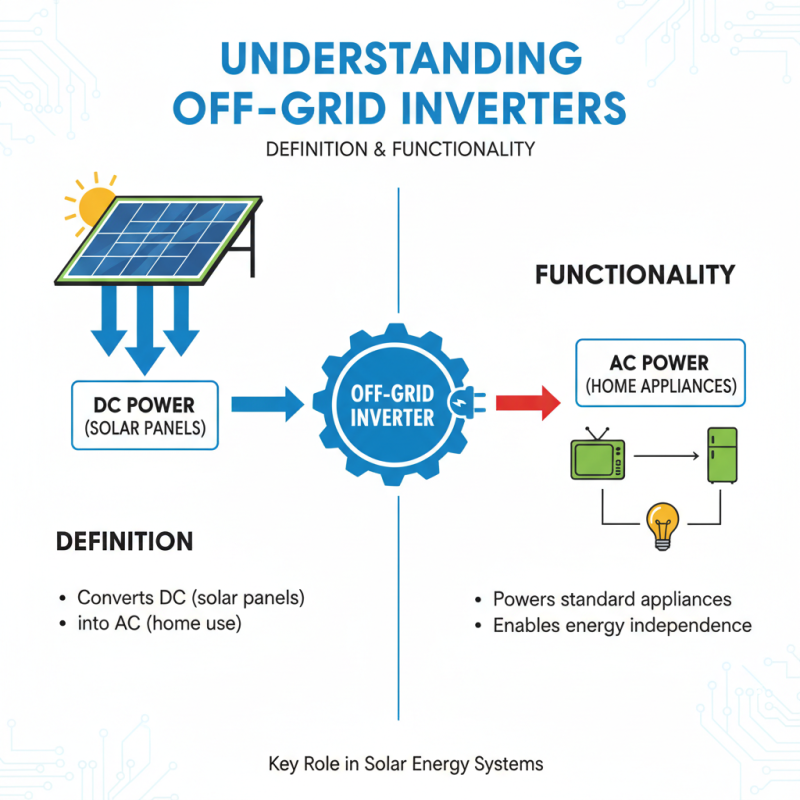
Off-grid inverters play a crucial role in solar energy systems. They convert direct current (DC) from solar panels into usable alternating current (AC). This transformation is vital for powering standard home appliances. Without this device, solar energy would remain unutilized. Off-grid inverters allow for independence from traditional power sources.
These inverters work by managing energy flow. They ensure that batteries are charged correctly. Once the batteries reach capacity, the inverter distributes energy to your home. You can power lights, refrigerators, and other devices seamlessly. However, nuances exist. Not all off-grid inverters handle energy loads the same way. Some may struggle in high-demand situations. This can lead to flickering lights or sudden shutdowns.
Moreover, installation can be complicated. Many users find themselves facing unexpected challenges. Understanding your energy needs is crucial before setting up. The mismatch between inverter capacity and household demand can cause issues. Decisions should be well-informed. Even small details, like wire size, matter. A little reflection on these aspects can lead to a more efficient system.
The Role of Off Grid Inverters in Renewable Energy Systems
Off-grid inverters are key components in renewable energy systems. They convert direct current (DC) from solar panels or wind turbines into alternating current (AC). This AC can power homes or businesses not connected to the traditional grid. These inverters provide energy independence, but they require proper sizing and management.
Installing an off-grid inverter involves various considerations. You must calculate your energy needs accurately. Oversizing can lead to inefficiencies and wasted resources. Underestimating can result in power shortages. It's a delicate balance that requires careful planning and frequent reflection on your energy consumption habits.
Tip: Regularly check battery levels and inverter performance. It helps in maintaining a reliable energy source. Monitoring your system can reveal patterns you may need to adjust.
Also, remember that off-grid systems need maintenance. Dirty solar panels can reduce efficiency. Regular cleaning can maximize energy generation. Small tweaks can enhance your system without large investments. Stay engaged with your energy setup to ensure it meets your needs effectively.
Key Components of an Off Grid Inverter Explained
Off Grid Inverters play a vital role in renewable energy systems. These devices convert direct current (DC) from solar panels or batteries into alternating current (AC) for household use. Without an off grid inverter, energy from solar systems would be useless for most appliances.
Key components of an off grid inverter include the inverter itself, batteries, and control systems. The inverter is the heart of the system, enabling energy conversion. Batteries store excess energy produced during sunny days. This energy is used when solar production is low, like during the night. Control systems help manage power flow, ensuring efficient energy usage.
However, relying solely on off grid inverters can lead to challenges. Sizing the inverter and battery bank correctly is crucial. If either is improperly sized, it can result in wasted energy or power shortages. Users must regularly monitor their energy consumption to avoid underperformance. Maintenance and potential technical issues can also arise over time. Understanding these components can make a big difference in performance and reliability.
Power Output of Off Grid Inverters
This bar chart illustrates the power output of various off grid inverters ranging from 1000W to 5000W. The values represent the maximum output that can be delivered by each inverter, highlighting the capabilities of different models.
How Off Grid Inverters Convert DC to AC Power
Off-grid inverters play a vital role in energy systems disconnected from the traditional grid. These devices convert direct current (DC) generated by renewable sources—like solar panels or wind turbines—into alternating current (AC), which is usable for most household appliances. A notable study from the National Renewable Energy Laboratory (NREL) indicates that off-grid systems can reduce energy costs by up to 70%, especially in remote areas.
The conversion process starts with the inverter taking in the variable DC voltage. It then regulates this voltage to create stable AC power. For instance, an Off Grid Wind Power Inverter needs to adjust according to wind conditions, making real-time calculations. This capability is crucial because inconsistent energy sources require immediate responses to maintain a steady power supply. Without proper adaptation, users could face frequent power fluctuations.
While off-grid inverters come with many benefits, challenges exist. Efficiency rates can fluctuate based on the technology. The IEEE reports that some inverters may operate at only 85-90% efficiency. This means that a considerable amount of energy could be wasted during conversion. Additionally, maintaining these systems can be complex, requiring expertise that might not always be available.
Understanding the Efficiency and Performance of Off Grid Inverters
Off grid inverters are vital for converting DC power into AC power. This conversion is crucial for powering household appliances. They work effectively in various conditions, but their efficiency can vary. Factors such as temperature, load, and inverter design impact performance.
A wide voltage off grid inverter can handle different input voltages. This feature adds flexibility to solar and wind systems. However, users often overlook voltage fluctuations. If the voltage is too high or too low, performance may drop. This can lead to inefficiencies. Regular monitoring is essential to maintain optimal performance.
Many people expect off grid inverters to operate flawlessly. In reality, they can face challenges. For example, shading on solar panels impacts energy production. If the energy input is inconsistent, the inverter may struggle. Educating users about these realities is important. Understanding efficiency limitations can lead to better energy management.
Installation Considerations for Off Grid Inverters
When considering the installation of an off-grid inverter, several factors must be addressed. Space is essential. These systems require strategic locations with adequate ventilation. Proper airflow can enhance efficiency, preventing overheating. Many installers suggest a dedicated area, away from direct sunlight. This helps maintain optimal working temperatures.
Electrical capacity is another critical aspect. Off-grid inverters come in various sizes, tailored to different energy demands. A report from the International Renewable Energy Agency revealed that around 14% of global electricity comes from off-grid sources. Sizing the inverter appropriately is vital; an undersized unit can lead to system failure. Oversizing can waste energy and increase costs. Multiple outlets may require a more significant capacity to handle diverse loads.
Finally, safety must not be overlooked. Off-grid systems involve high-voltage components. Proper grounding is crucial to avoid electrical hazards. Adhering to local codes is necessary but can be complex. Many installers find navigating these regulations challenging. Errors can lead to hazardous situations. It's critical to prioritize safety to ensure a successful installation.
Common Applications and Uses of Off Grid Inverters in Daily Life
Off-grid inverters play a crucial role in daily life, especially for those seeking energy independence. These devices convert DC power from solar panels or wind turbines into usable AC power. Off-grid systems provide electricity in remote locations, where traditional grid access is unavailable. They are essential in cabins, boats, and tiny homes. This independent power source can lead to significant savings on energy bills.
Many people use off-grid inverters for specific applications. For example, they power refrigerators, lights, and tools. In the case of a Battery-less Off-Grid Energy Storage Inverter, it stores energy in supercapacitors instead of batteries. This approach reduces maintenance and environmental impact. However, some users find the energy capacity limited, which can lead to challenges during peak usage times.
Designing an off-grid system requires careful planning. Users must balance energy production with consumption. Oversizing the system can lead to wasted resources. On the other hand, undersizing it might result in power shortages. Reflecting on these trade-offs is essential for anyone considering this lifestyle. By understanding these dynamics, individuals can make informed decisions for their energy needs.
Exploring the Benefits and Features of Explosion-Proof, Isolated, and Waterproof Power Inverters for Reliable Performance
When it comes to ensuring reliable power supply in hazardous environments, the importance of explosion-proof, isolated, and waterproof power inverters cannot be overstated. These power devices are specifically designed to withstand extreme conditions while delivering consistent performance. According to a report by Research and Markets, the global explosion-proof equipment market is expected to reach $9.5 billion by 2027, reflecting the increasing need for safety in various industries, including oil and gas, mining, and manufacturing.
The latest advancements in power inverter technology, such as the BZEX series, highlight the significance of durability and safety standards. These intelligent high-frequency switching power modules are constructed from seamlessly welded 4.0-inch thick steel plates, ensuring strength against environmental stresses. The added plastic coating not only enhances aesthetic appeal but also contributes to corrosion resistance, thereby extending the lifespan of the equipment. The explosion-proof rating of EXdIIBT4 guarantees these units can function safely in explosive atmospheres, reducing the risk of accidents.
In addition, the isolation feature of these power inverters plays a critical role in protecting sensitive electrical systems. It minimizes the risk of electrical faults and interference, which are common concerns in complex industrial setUPS. Waterproof capabilities further enhance reliability, making these inverters suitable for use in areas subject to moisture and spills. As industries continue to prioritize safety and efficiency, investing in advanced power inverter solutions becomes essential for sustained operational success.
FAQS
: An off grid inverter converts direct current (DC) from solar panels or batteries into alternating current (AC) for household use.
Incorrect sizing can lead to wasted energy or power shortages, affecting overall system performance.
It regulates the variable DC voltage to create stable AC power for appliances, adapting to energy source fluctuations.
Efficiency can be between 85-90%. This means some energy may be wasted during the conversion process.
Users may face maintenance issues and performance drops due to factors like shading or inconsistent energy input.
High or low voltage can lead to inefficiencies, making regular monitoring essential to sustain optimal performance.
Off-grid inverters may not operate flawlessly; understanding their limitations can aid in better energy management.
Regular monitoring of energy consumption and maintenance can help avoid underperformance and maximize efficiency.
Control systems manage power flow, ensuring efficient energy usage and maximizing the benefits of the inverter.
Batteries store excess energy for use during low solar production times, like nighttime, contributing to reliable power supply.
Conclusion
Off Grid Inverters are essential devices that enable the conversion of direct current (DC) from renewable energy sources, such as solar panels, into alternating current (AC), which is used to power everyday appliances. These inverters play a crucial role in off-grid renewable energy systems, allowing individuals to harness and utilize solar and wind energy independently from the main power grid.
The functionality of an Off Grid Inverter includes not only the conversion process but also ensuring efficiency and performance by managing power distribution effectively. Key components of these inverters—such as inverters, batteries, and charge controllers—cooperate to provide reliable energy. Installation considerations are vital to ensure optimal performance. Common applications range from residential use to remote locations, showcasing the versatility and importance of Off Grid Inverters in sustainable energy practices.