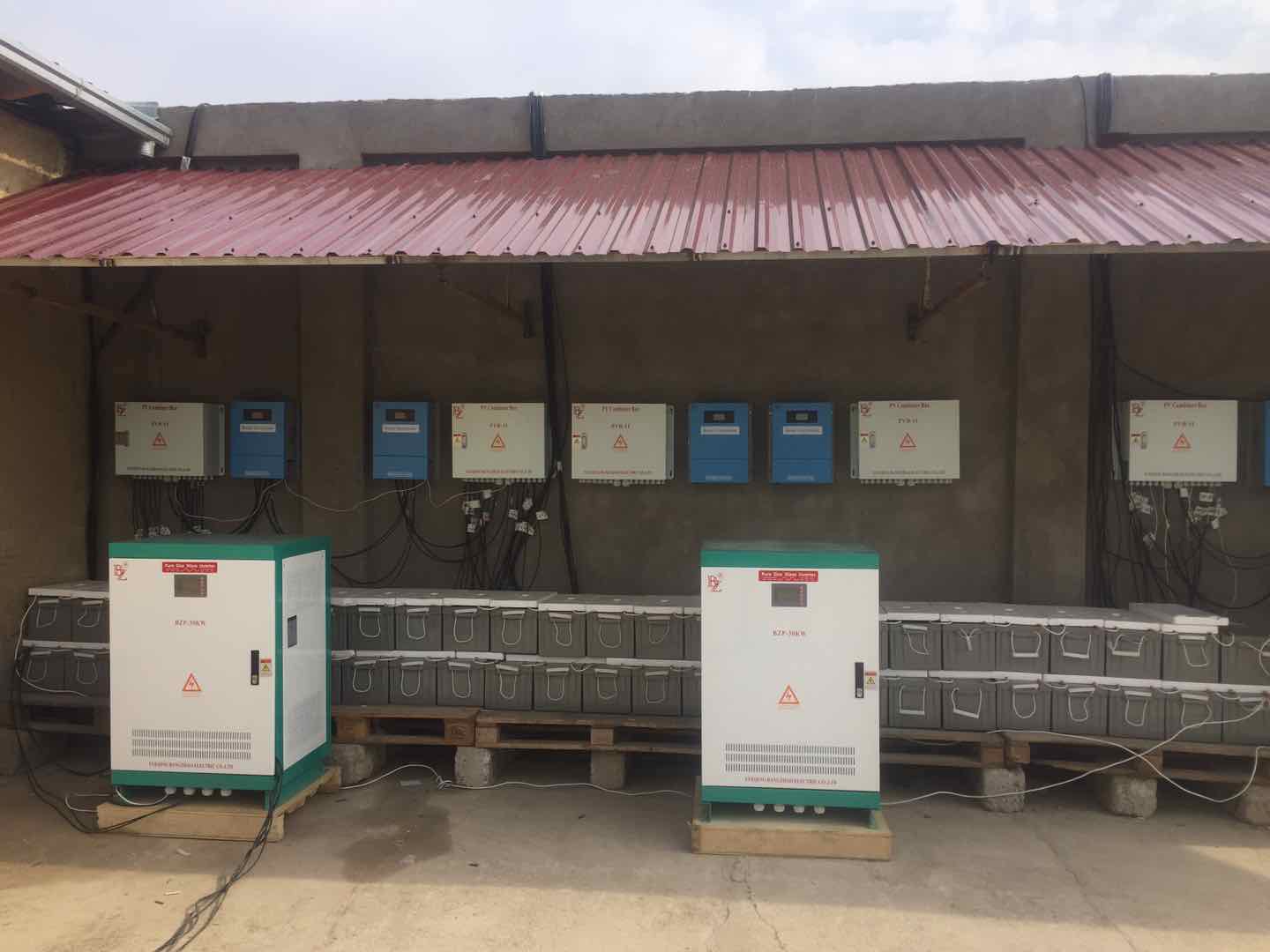
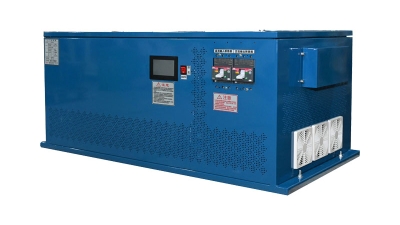
Hey there! So, you’ve probably noticed that off-grid inverters have really taken off lately, right? It seems like everyone's talking about renewable energy and wanting their own energy independence these days. According to a report from Allied Market Research, the global market for off-grid inverters is expected to hit a whopping $27.47 billion by 2027, growing at a rate of about 8.9% since 2020. It’s pretty wild how many homeowners and businesses are now looking to tap into solar power and other off-grid solutions! This makes picking the right inverter totally vital if you want to get the most out of your setup.
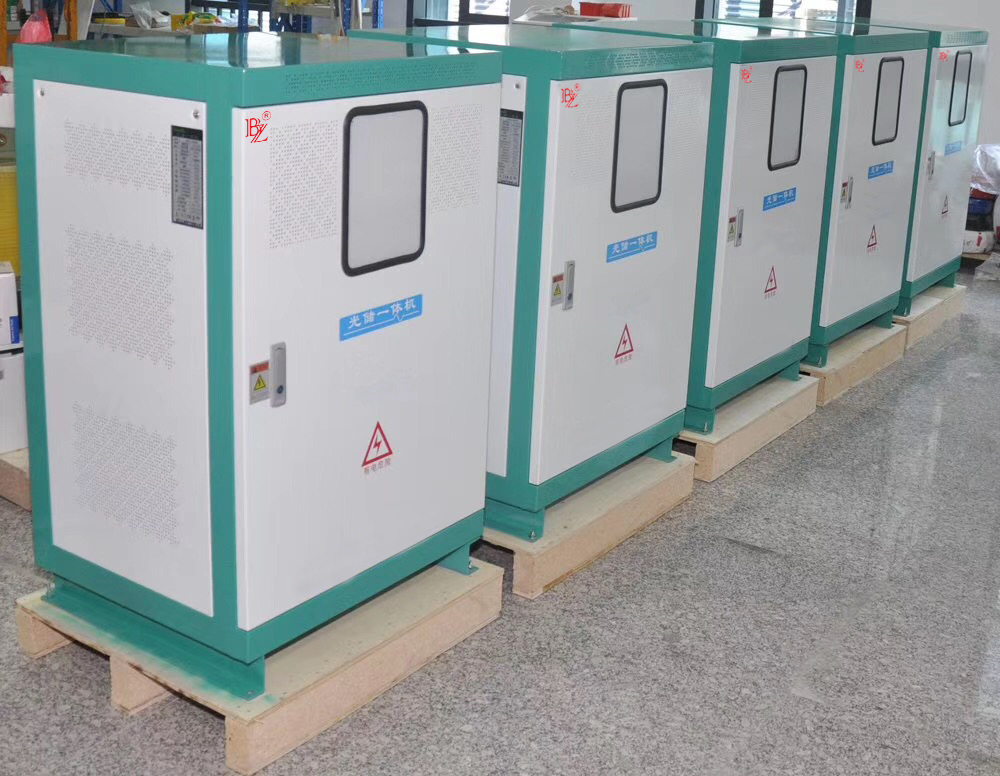
Here at Bangzhao Electric Co., Ltd., we've been in the game for more than ten years, offering high-quality options like Pure Sine Wave Inverters and bi-directional energy storage systems—essentially, the backbone of effective energy management! In this blog post, I’m excited to share five key tips for choosing the perfect off-grid inverter in 2023, helping you make sure your investment is up-to-date with the latest tech and meets your specific energy needs.
Choosing the Right Off-Grid Inverter: Key Specifications to Consider
Hey there! So, if you're thinking about going off the grid, picking the right inverter is super important for making sure you have a steady and efficient power source out there in the wild. First off, you want to check out the inverter’s power output, which is measured in watts. This number tells you how many appliances you can run at once. Seriously, take a moment to add up the wattage of everything you plan on using — trust me, it’ll save you from overloading the inverter and keep things running smoothly.
Then, think about what type of inverter will fit best with your setup. Sine wave inverters are often the way to go since they’re usually more efficient and play nice with sensitive electronics. That’s a big plus for off-grid systems, right? And don’t forget to check out stuff like battery compatibility and charging features because those can really affect how well your system performs overall. Oh, and as a little tip — keep an eye on the warranty and customer support from the manufacturer. Having solid support can be a lifesaver if you run into any unexpected hiccups down the line.
Understanding Different Types of Off-Grid Inverters and Their Benefits
Choosing the right off-grid inverter can feel a bit overwhelming, right? There are a few different types out there, and each one has its own set of perks. You’ve got your pure sine wave inverters, modified sine wave inverters, and grid-tie inverters—each serving a unique purpose. Let’s break it down!
So, pure sine wave inverters are like the gold standard for power. They deliver really clean and stable electricity, which is super important for sensitive gadgets—think computers and medical devices. Sure, they might cost a bit more upfront, but if you’re after a reliable setup, they’re often worth it.
Now, moving on to modified sine wave inverters, these ones are a bit easier on your wallet. They do convert DC power to a waveform that works for a lot of appliances, but fair warning—they don’t perform as well with devices that really need that pure sine wave juice. It’s kind of a trade-off, you know?
Then we have grid-tie inverters. These are designed to play nice with the existing power grid. If your system produces more energy than you use, you can send that extra power back and maybe snag some credits or lower your electricity bills. But, here’s the catch—they don’t work for setups that are completely off the grid.
So, keeping all this in mind will definitely help you figure out which inverter is a good fit for your off-grid energy goals. Good luck out there!
5 Essential Tips for Choosing the Best Off Grid Inverter in 2023
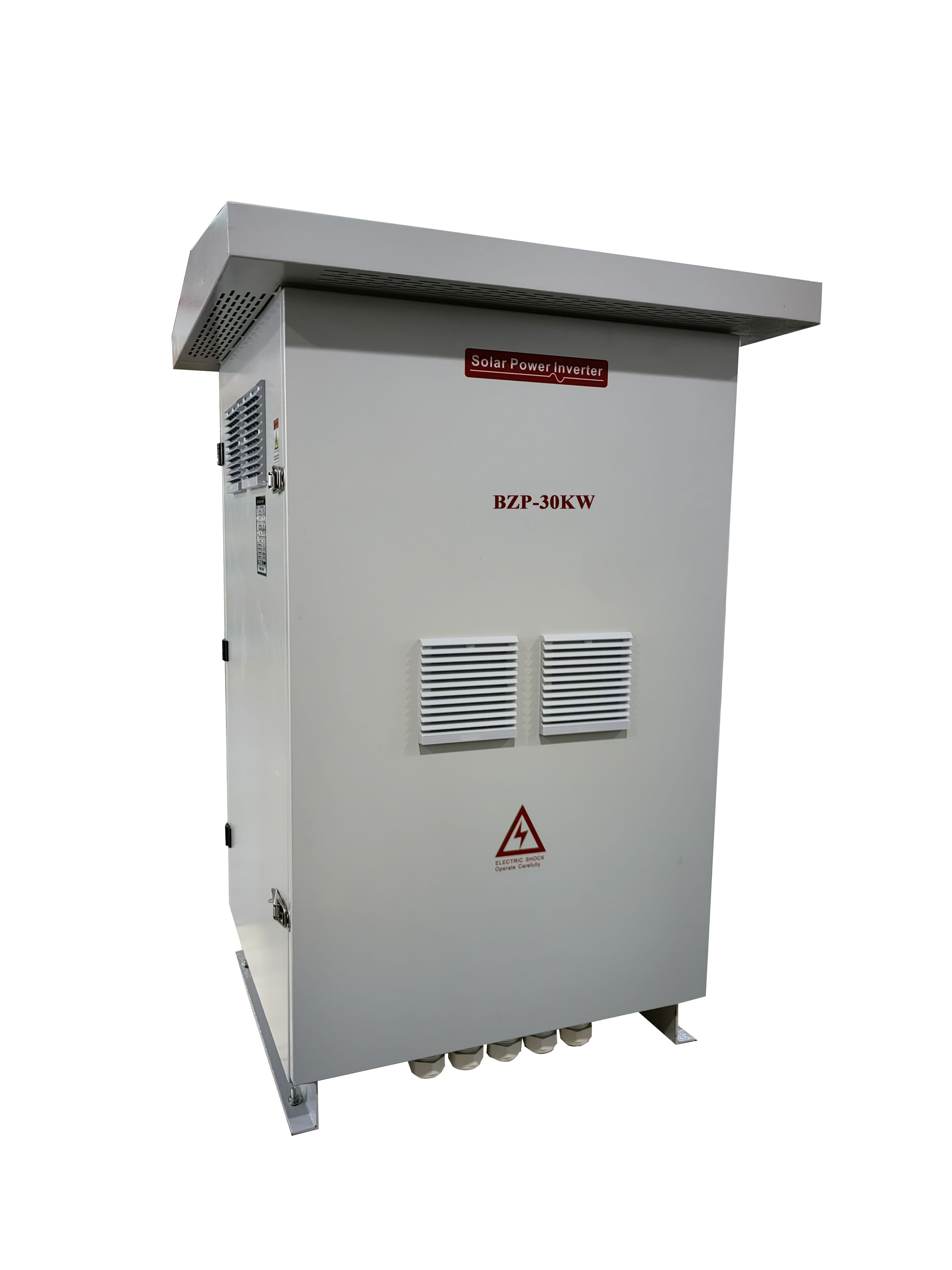 Evaluating Power Requirements: Calculating Your Energy Needs
Choosing the right off-grid inverter can feel a bit overwhelming, but don’t sweat it! The most important thing to do first is figure out your energy needs. Start by making a list of all the appliances you plan to run at the same time. You know, things like your fridge, lights, power tools, and any devices you’ll be charging. Just a heads up, some of these gadgets, like refrigerators or AC units, can pack a punch when they first kick on, so they’ll need a bit more juice for a short while.
Once you’ve got everything written down, add up their wattages to see your daily energy consumption. This helps you pick an inverter that can handle your highest load without breaking a sweat. Don’t forget to think about where your energy is coming from—like solar panels or wind turbines—and how they’ll work with your inverter. By nailing down your energy needs, you’ll make sure your off-grid inverter fits your lifestyle perfectly while also running smoothly and reliably.
Considering Efficiency Ratings: Why They Matter for Off-Grid Living
So, when you're looking into off-grid inverters, getting a good grip on efficiency ratings is super important if you wanna live sustainably. You see, a well-performing inverter really cuts down on energy loss during the conversion process. This means you can actually use more of the juice that comes from your solar panels or battery systems. Just aim for those inverters that have efficiency ratings over 90%. Every single watt matters when you're off-grid, trust me on this one!
Another thing worth considering is how much power the inverter can actually output. Depending on what you need, it's key to pick one that can handle your peak load without breaking a sweat. Look for features like overload protection and ensure it can work well even when your energy demands fluctuate. At Bangzhao Electric Co., Ltd., we’ve got a variety of options, including pure sine wave inverters, ready to give you solid energy solutions for off-grid living. Our inverters not only boast high efficiency ratings but also come packed with advanced specs that cater to a range of power needs.
Budget Planning: Cost vs. Quality in Off-Grid Inverter Selection
Choosing an off-grid inverter can feel like a bit of a maze, right? One of the biggest things to keep in mind is finding that sweet spot between cost and quality. Sure, it might seem like a smart move to grab the cheapest inverter out there to save some cash, but trust me, that can lead to serious headaches down the line. Cheaper inverters usually skimp on key features like efficiency and durability, which could end up being a hitch for your whole off-grid setup. As of 2023, more folks are realizing that it’s worth putting some extra money upfront for higher-quality gear. Yeah, it might hit your wallet harder at first, but the performance and durability you get in return are absolutely worth it.
You also gotta think about budget planning because cheaper inverters can have sneaky hidden costs. Like, you might end up shelling out more for repairs or replacements down the road, or even dealing with energy losses since they tend to be less efficient. A good-quality inverter doesn’t just do its job better; it often comes with solid customer support too. That can be a lifesaver when you need help troubleshooting or navigating the installation process. So, making a well-informed choice about your budget, weighing those costs against quality, is really the key to making your off-grid experience smooth and effective over time.
5 Essential Tips for Choosing the Best Off Grid Inverter in 2023 - Budget Planning: Cost vs. Quality in Off-Grid Inverter Selection
| Inverter Type | Power Output (W) | Efficiency (%) | Price Range ($) | Warranty (Years) | Best Use Case |
| Pure Sine Wave | 3000 | 90 | 800 - 1200 | 2 - 5 | Home Appliances |
| Modified Sine Wave | 1500 | 85 | 300 - 600 | 1 - 3 | Simple Tools |
| Grid Tie Inverter | 4000 | 95 | 1200 - 1800 | 5 - 10 | Energy Storage |
| Hybrid Inverter | 5000 | 93 | 1500 - 2500 | 5 - 10 | Off-Grid and Grid Use |
| Portable Inverter | 1000 | 88 | 150 - 300 | 1 - 3 | Camping and RV |
Importance of Warranty and Customer Support in Inverter Choices
So, if you’re on the hunt for the best off-grid inverter in 2023, you really can’t overlook how important warranty and customer support are. A solid warranty isn’t just some paperwork; it gives you peace of mind and shows that the manufacturer believes in their product. Inverters are super important in off-grid systems, and if one fails, it can lead to a lot of hassle and downtime—a real pain, right? So, when you pick a company that offers a strong warranty, it’s a good sign that they're reliable.
Now, let’s talk about customer support, which is another big deal when picking an inverter. Whether you’re setting it up or dealing with some hiccups along the way, having a responsive customer service team can really make a difference. Reviews from folks out there have shown that companies known for great customer care often keep their customers happy and coming back. And when you’re looking into systems like those by Bangzhao Electric Co., Ltd., who are all about advanced energy solutions, it’s super smart to ensure you’ve got solid customer support in your decision-making. It not only protects your investment but also gives you the backup you need as you navigate your off-grid adventure!
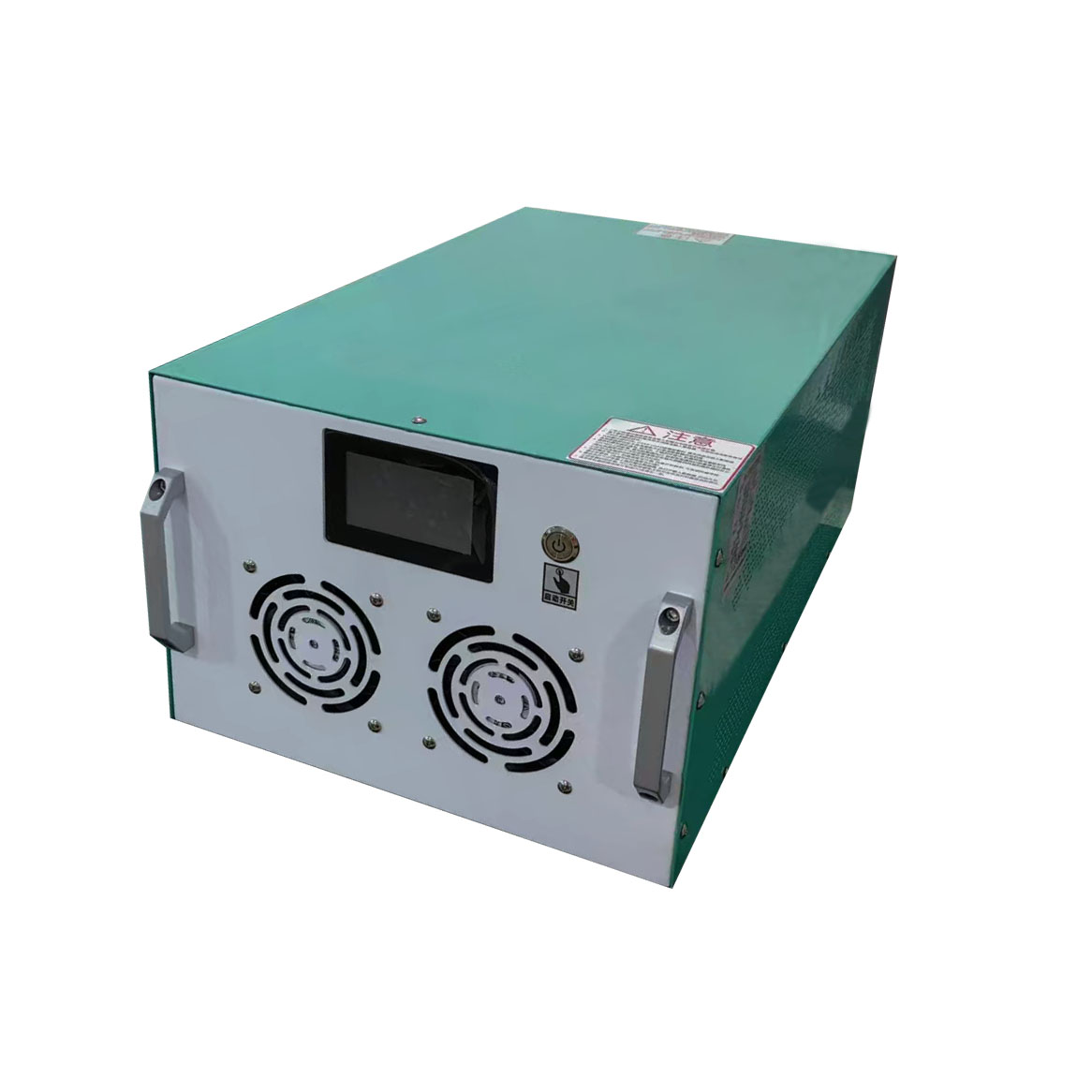
Maximize Your Road Adventures with a High Power Vehicle Inverter: Unleashing the Potential of Your Travels
Maximize Your Road Adventures with a High Power Vehicle Inverter: Unleashing the Potential of Your Travels
When embarking on a road trip, the last thing you want is to be constrained by the limitations of your power sources. This is where a high power vehicle inverter comes into play, transforming your travel experience and allowing you to maximize your adventures. Designed specifically for new energy vehicles and special utility usage, these inverters harness advanced industrial frequency isolation technology to convert high voltage DC power (ranging from 400V to 800V) into versatile AC power. This capability gives you access to both 380V and 220V output, tailored to meet your diverse electrical needs.
With a power range between 30KW to 100KW, these inverters are more than capable of powering high-load equipment, making them essential for any serious adventurer. Whether you need to run power tools for on-site repairs, medical equipment for emergencies, or simply want to enjoy the comfort of your camping setup, a high power vehicle inverter ensures that you're fully equipped for any situation. This innovative technology not only enhances your travel flexibility but also guarantees that your road adventures can be as comfortable and enjoyable as possible. Embrace the freedom of the open road and let a high power vehicle inverter unleash the full potential of your journeys.
FAQS
: Start by taking inventory of all appliances you plan to use simultaneously and sum up their wattages. Consider the higher starting wattage for devices like refrigerators and air conditioners.
Some devices require additional power temporarily when turned on, which means understanding their starting wattage is essential to ensure your inverter can handle the peak load.
Consider how your energy sources, such as solar panels or wind turbines, will integrate with the inverter to ensure efficient and reliable operation.
A strong warranty provides peace of mind and indicates the manufacturer’s confidence in their product, which is crucial since inverters are vital components in off-grid systems.
Responsive customer support can greatly assist with installation and troubleshooting issues, enhancing user satisfaction and loyalty.
A malfunctioning inverter can lead to significant downtime and inconvenience in your off-grid system, making reliability a critical factor in your selection.
Look for companies that have commendable customer care ratings, as they are more likely to offer the support you need during your off-grid journey.
Opt for inverters from manufacturers that provide robust warranties and strong customer support to safeguard your investment and gain assistance throughout your usage.