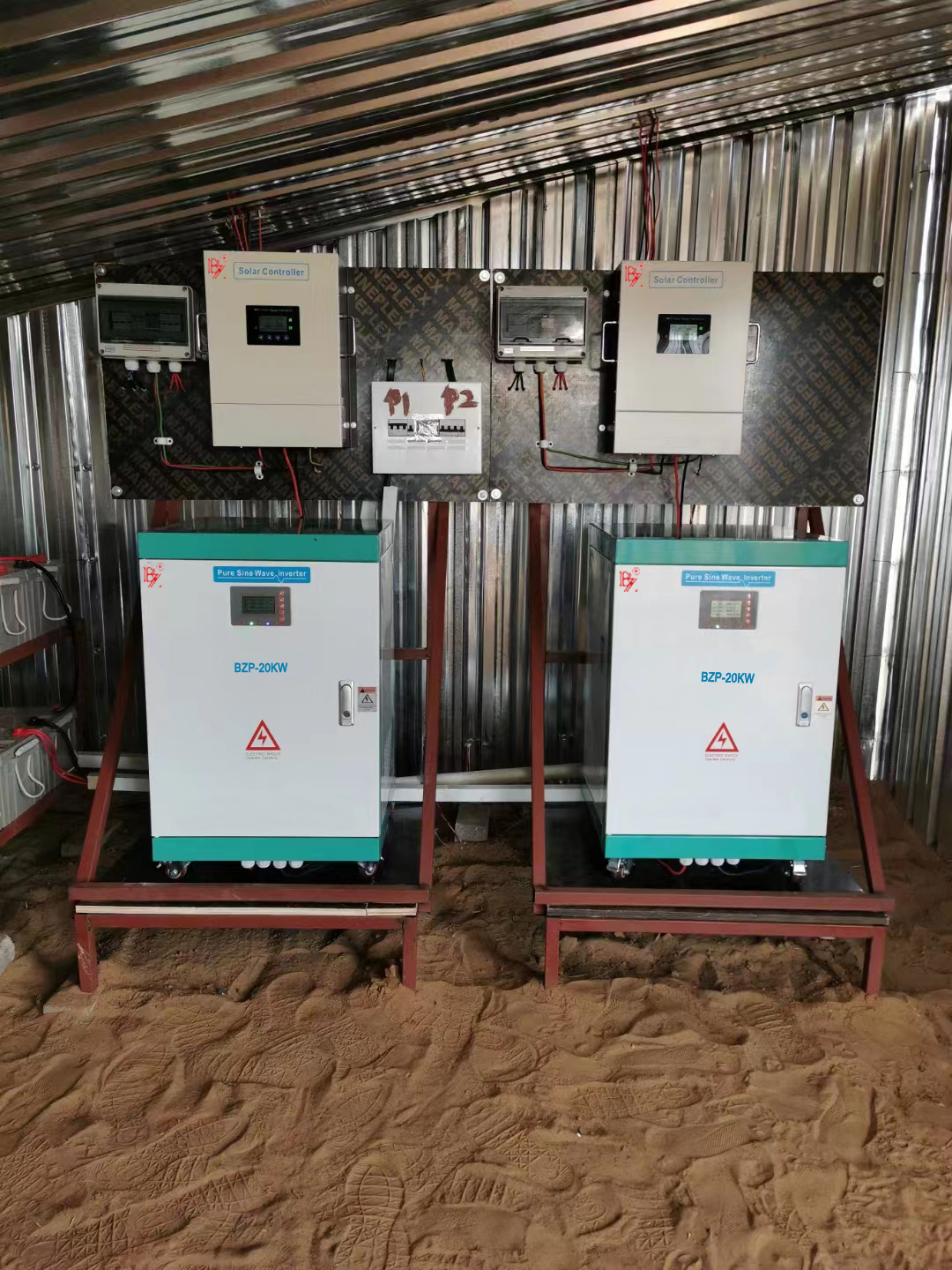
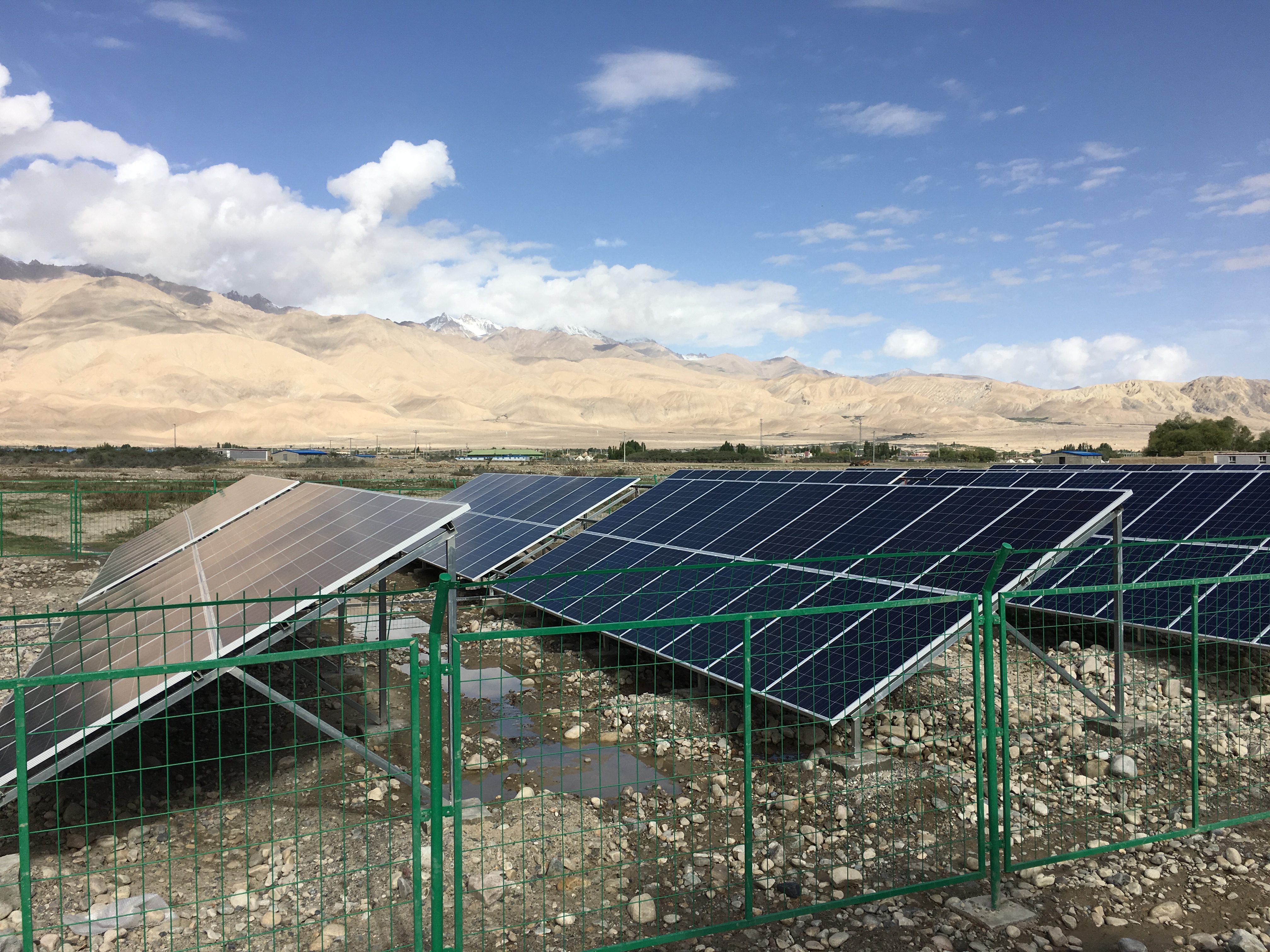
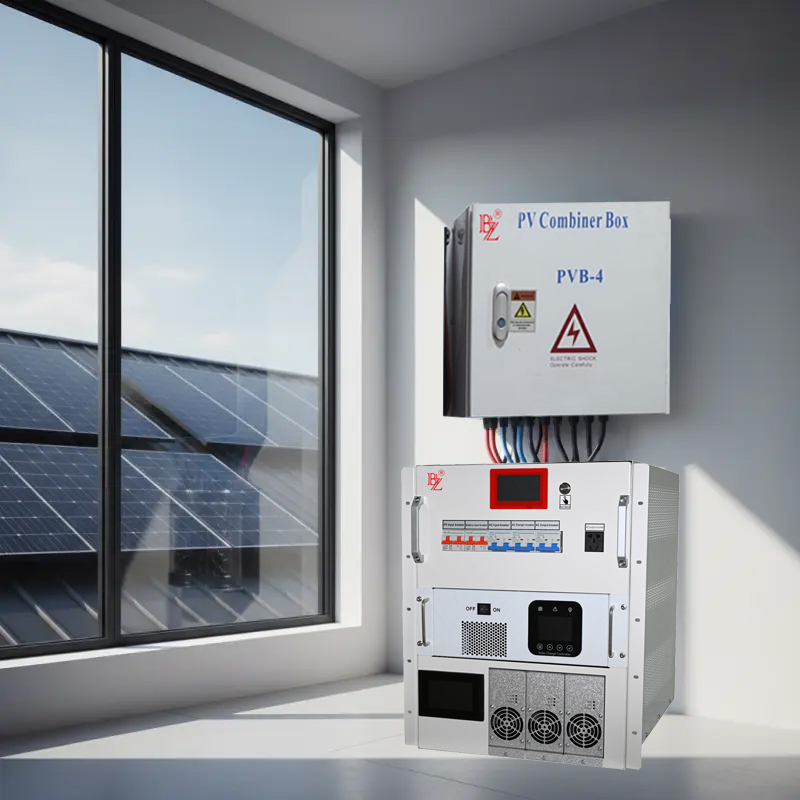
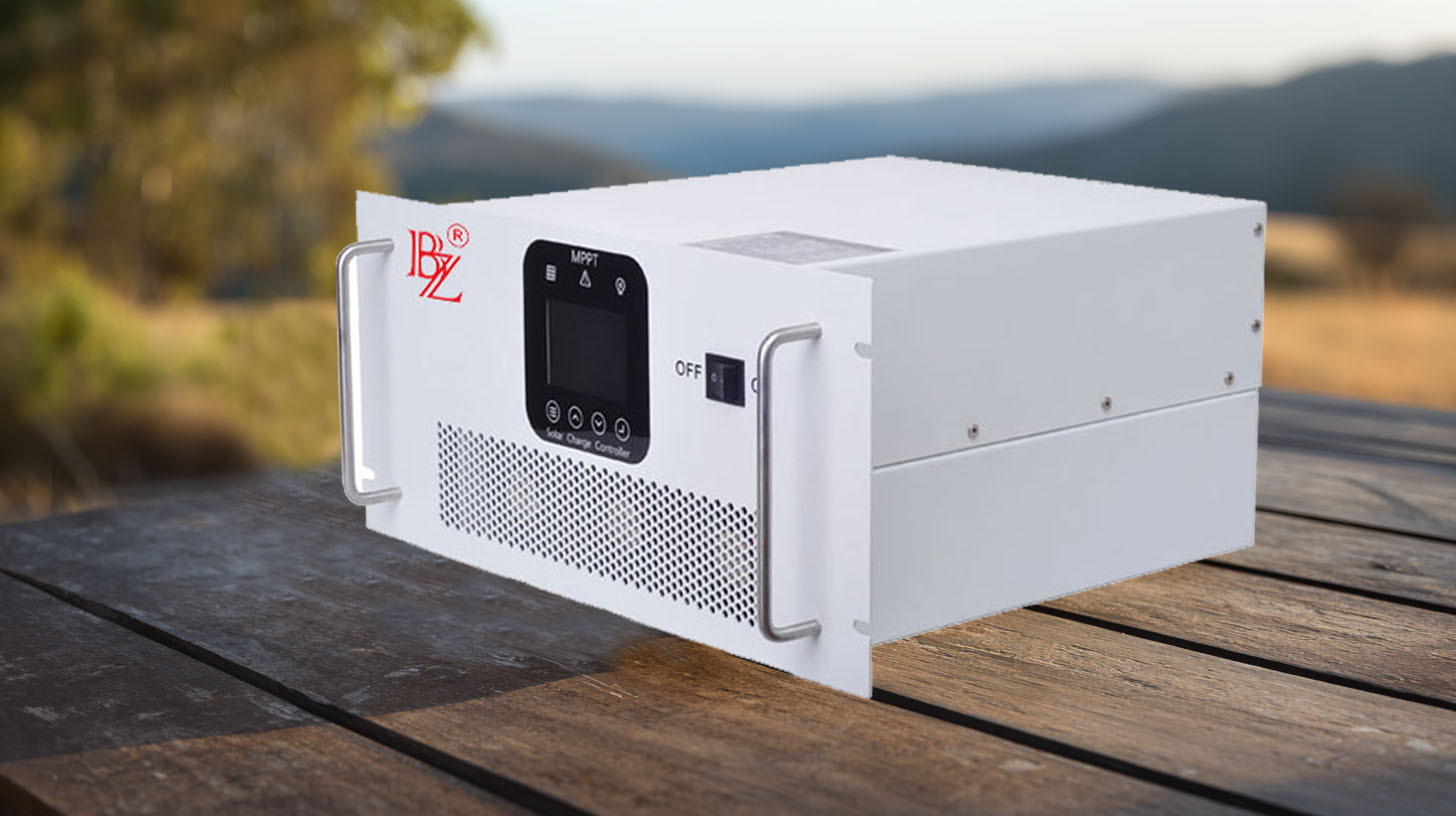
In today’s world, we really can't ignore how important renewable energy has become. So many systems are now tapping into this clean energy, especially solar power. That’s where a Solar Charge Controller comes into play — it’s pretty much essential for managing all that energy smoothly. Basically, it controls the voltage and current coming from your solar panels, making sure your batteries charge just right. Too much, and you risk damage; too little, and you lose efficiency. It’s like having a smart guardian for your batteries, helping them last longer and work better.
Honestly, not everyone fully realizes how important a Solar Charge Controller is. Some folks might overlook it or just not understand its role in protecting their investment. Skip it, and you could be asking for trouble — batteries and other equipment could end up damaged, and the power supply might become unpredictable. That can lead to costly repairs or just a frustrating experience overall.
Looking at it practically, investing in a solid Solar Charge Controller isn’t just a good idea, it’s pretty much a must. It really helps your entire solar setup run more efficiently. By keeping the charge levels just right, it makes sure you get the most out of your energy and reduces waste. Believe me, many people have learned the hard way how much performance suffers without one. All this just goes to show that understanding and paying attention to these little components is super important if you want your solar system to work its best.
Understanding Solar Charge Controllers: An Overview
Solar charge controllers play a vital role in solar energy systems. They regulate the voltage and current coming from solar panels to batteries. This regulation ensures that batteries are charged efficiently and safely. Without a reliable charge controller, batteries can overcharge or discharge too deeply, damaging their lifespan.
Understanding the two main types of solar charge controllers, PWM and MPPT, helps in selecting the right one for your system. MPPT, or Maximum Power Point Tracking, controllers are often more efficient than PWM controllers. They adjust the input voltage to maximize power output, especially in varying weather conditions. This efficiency can lead to longer battery life and better overall performance.
Tips for selecting a solar charge controller: **Consider your battery type**. Different batteries require specific charging profiles. Also, **think about your solar array size**. Ensure the controller can handle the system's total capacity. Lastly, **check for additional features**, such as load control and monitoring capabilities. These can enhance functionality and allow for better management of your solar system. Remember, investing in a good Solar Mppt Charge Controller now could save you costs in the long run due to improved efficiency and battery health.
The Role of Solar Charge Controllers in Renewable Energy Systems
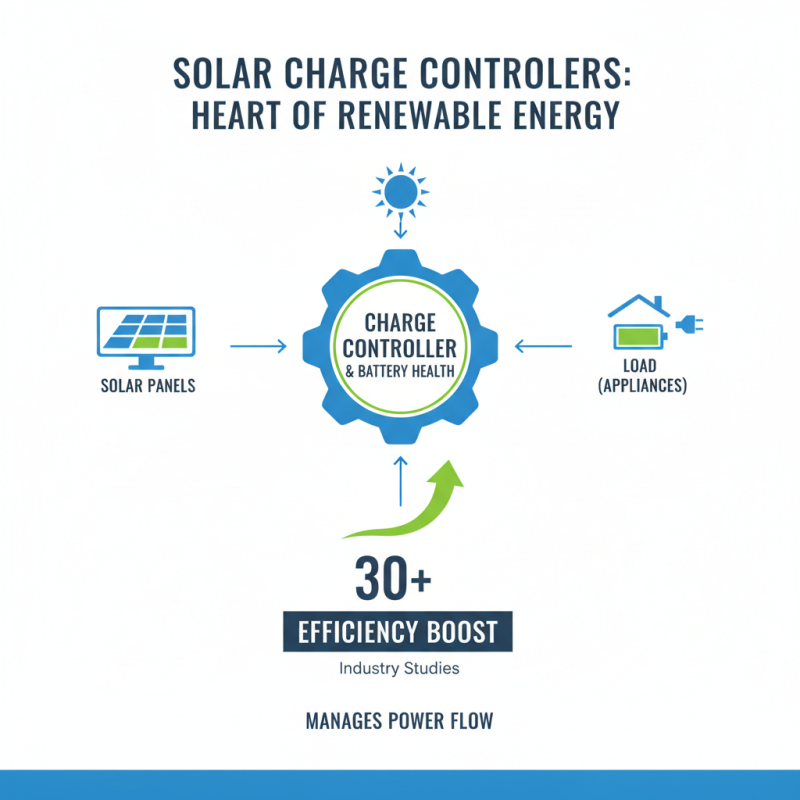
Solar charge controllers play a vital role in solar energy systems. They manage the power flow from solar panels to batteries, ensuring optimal charging and battery health. A well-chosen solar charge controller can enhance efficiency by 30% or more, as reported by industry studies. This influence on productivity is essential for any renewable energy system.
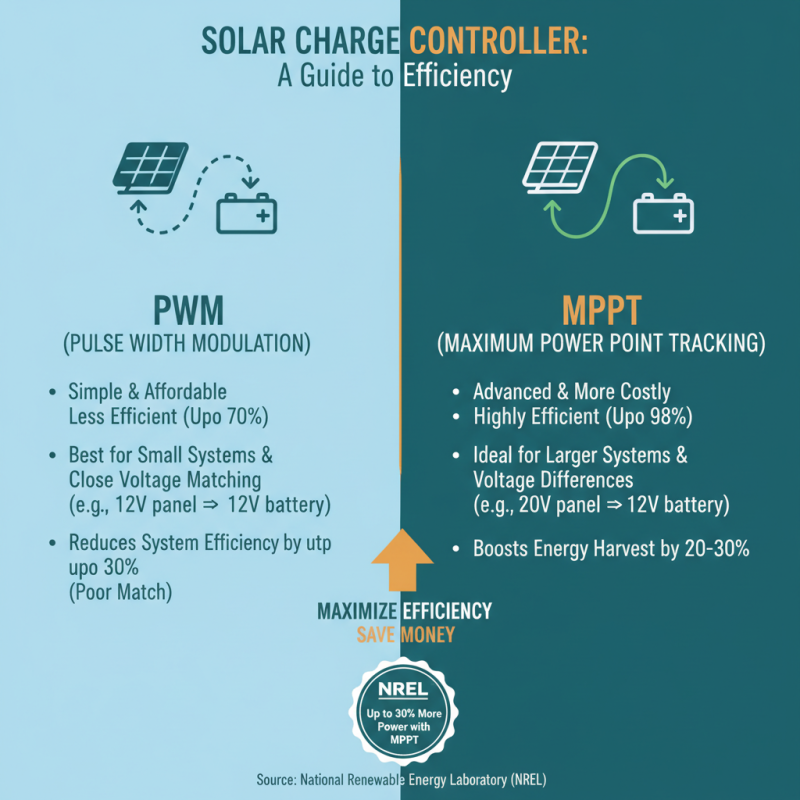
There are two main types: PWM and MPPT solar charge controllers. PWM (Pulse Width Modulation) controllers are simpler and less expensive, but they allow less energy capture in low-light conditions. MPPT (Maximum Power Point Tracking) controllers, however, are more efficient, especially in partial shading situations. According to research, MPPT controllers can utilize up to 95% of available solar energy compared to 75% with PWM models. Properly integrating these technologies into your system can prevent overcharging and extend battery lifespan.
Despite these advantages, many users overlook the importance of the charge controller. Some may assume they can connect solar panels directly to batteries. This common mistake often leads to battery damage. Investing in a reliable solar charge controller is critical. Balancing cost with efficiency can be challenging. Understanding your energy needs is crucial when selecting between PWM and MPPT models.
Key Functions of Solar Charge Controllers Explained
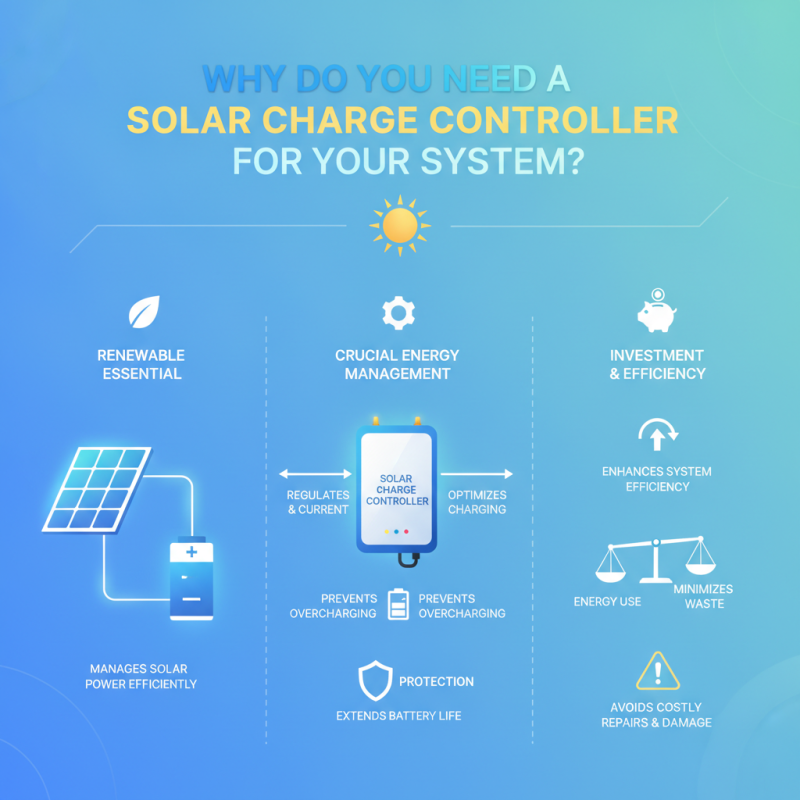
A solar charge controller is crucial for optimizing energy from solar panels. One primary function is to regulate the voltage and current coming from the solar panels. This helps prevent overcharging the batteries, which can damage them and shorten their lifespan. A good controller ensures your batteries receive just the right amount of energy. This balance is pivotal in solar systems.
Another key function is to prevent battery dischargeduring cloudy days or at night. Without a solar charge controller, batteries could drain back into the solar panels. This can lead to inefficiency and potential system failure. A reliable charge controller keEPS the energy flow in one direction, preserving battery life and ensuring reliability during low light conditions.
Understanding these functions is essential for anyone setting up a solar system. While purchasing a solar charge controller may seem like an extra cost, it is an investment in the longevity and efficiency of your solar setup. Skipping this component could lead to costly repairs later. Reflecting on system design is necessary. Each element plays a role in the overall performance and durability of your solar energy solution.
Benefits of Using a Solar Charge Controller for Battery Management
A solar charge controller is essential for effective battery management in solar power systems. It regulates the voltage and current coming from solar panels to ensure batteries charge correctly. Data from the National Renewable Energy Laboratory shows that improper charging can reduce battery life by up to 50%. This significant impact underlines why users must prioritize integrating a controller.
Using an MPPT solar charge controller maximizes energy harvesting. These controllers can increase the efficiency of solar panel output by 20-30% compared to traditional methods. MPPT, or Maximum Power Point Tracking, adjusts the electrical operating point of the modules. This feature is not always clear to users. Many assume that any charge controller will suffice, leading to potential energy losses.
Additionally, solar charge controllers protect against overcharging and deep discharging. Over time, these issues can lead to catastrophic battery failures. Reports indicate that battery replacement is one of the most considerable expenses in solar systems. A controller helps mitigate this risk by adjusting charging cycles based on battery health and environmental conditions. Not using one can result in unnecessary costs and lower overall system performance. Users must recognize these benefits for better sustainability and reliability in solar energy use.
Types of Solar Charge Controllers: PWM vs. MPPT
When considering solar power systems, choosing the right charge controller is vital. Solar charge controllers manage the energy from solar panels to batteries. There are two primary types: PWM (Pulse Width Modulation) and MPPT (Maximum Power Point Tracking) controllers. Each serves a unique purpose, and understanding their differences can significantly impact your system's efficiency.
PWM controllers work by switching the power on and off. They are simpler and often more affordable. Their efficiency ranges from 75% to 85% under optimal conditions. In contrast, MPPT solar charge controllers can boost efficiency up to 95% by adjusting voltage and current. This means they can extract more energy, particularly in colder temperatures or varying light conditions. Choosing an MPPT controller can result in better performance, especially for larger systems or when dealing with complex installations.
It’s worth noting that while MPPT controllers are more efficient, they are also more expensive. Budget constraints may lead some to opt for PWM. However, in the long run, an MPPT solar charge controller often pays for itself through increased energy capture and utility savings. Evaluating your system's needs against these factors is essential for making the best choice.
How to Choose the Right Solar Charge Controller for Your Needs
Choosing the right solar charge controller is crucial for maximizing your solar energy system's efficiency. A charge controller regulates the voltage and current coming from solar panels to ensure batteries are charged correctly. According to the National Renewable Energy Laboratory, a poorly matched controller can reduce system efficiency by up to 30%. Selecting the appropriate type—PWM or MPPT—is essential. MPPT controllers are generally more efficient and can increase energy harvest by 20-30% compared to PWM controllers.
When choosing a controller, consider your system's voltage and current ratings. Ensure it can handle your panels' output without risk of damage. A well-chosen controller can extend battery life. For instance, excessive overcharging can lead to battery degradation. It's important to choose a controller that matches your battery specifications, as using incompatible equipment may lead to energy loss.
Keep in mind the environmental factors as well. Controllers with advanced features, such as temperature compensation, can optimize performance under varying weather conditions. However, these features often come with increased complexity and costs. Understanding both your needs and the technical specifications can be challenging. Thus, consider consulting with a professional to avoid costly mistakes. An informed choice can significantly enhance your solar system's reliability and efficiency.
Common Issues and Troubleshooting Tips for Solar Charge Controllers
Solar charge controllers are essential components in any solar power system. They regulate voltage and current coming from solar panels to batteries, preventing overcharging. Many users underestimate their importance, leading to common issues. Poor maintenance or incorrect settings can result in system failures. For instance, research indicates that about 30% of solar installations experience performance issues due to misconfigured charge controllers.
One prevalent problem is overheating. This can occur if the controller is not rated for the system's size. It may cause damage and reduce system lifespan. Users should check specifications regularly. Dust accumulation can also affect performance. Regular cleaning can prevent this issue. Miscommunication between the solar panel and the battery can lead to undercharging, reducing energy availability during critical times. Keeping an eye on voltage and current outputs provides valuable insight into system health.
Another concern is occasional disconnects during low light conditions. Some controllers might not compensate adequately, leading to unexpected shutdowns. Awareness of this limitation is key for potential users. Understanding these challenges ensures optimal functionality. Educating oneself on troubleshooting steps can significantly enhance system reliability. Failing to address these issues can lead to costly repairs and energy loss in the long run.
Why Do You Need a Solar Charge Controller for Your System? - Common Issues and Troubleshooting Tips for Solar Charge Controllers
| Issue | Description | Troubleshooting Steps | Prevention Tips |
| Overcharging | Occurs when the battery receives more voltage than it can hold. | Check the voltage settings on your charge controller; replace if faulty. | Use a charge controller with preset current limits. |
| Undercharging | Insufficient charging leads to reduced battery capacity. | Ensure solar panel voltage is adequate; check connections. | Choose a compatible charge controller for your battery type. |
| Temperature Effects | Extreme temperatures can affect performance. | Check the battery and controller temperature ratings. | Install components in shaded or ventilated areas. |
| Display Errors | Faulty displays can misrepresent system status. | Reset the controller; check for software updates. | Regularly maintain and inspect your controller. |
| Component Failure | Failure in any part of the system can compromise functionality. | Inspect all connections; replace damaged components. | Use high-quality components and perform regular checks. |
Innovative High-Voltage MPPT Charge Controllers for Efficient Off-Grid Solar Systems: A Comprehensive Guide for Buyers
In the realm of off-grid solar systems, the adoption of innovative high-voltage MPPT (Maximum Power Point Tracking) charge controllers has become paramount for enhancing energy efficiency. These advanced controllers act like the brains of a solar power generation system, expertly managing and optimizing the energy harvested from photovoltaic panels. By deploying sophisticated MPPT algorithms, they continuously track and adjust to the highest voltage and current levels, ensuring that solar energy is utilized to its maximum potential.
One of the standout features of these high-voltage mppt charge controllers is their capability for real-time monitoring. This technology allows users to gain insights into system performance, making it easier to manage energy output effectively. With tracking efficiencies that exceed 99%, these controllers minimize energy waste by capturing every available ray of sunlight. As a result, they not only enhance the overall performance of solar energy systems but also contribute to a more sustainable and eco-friendly energy landscape, paving the way for a cleaner future.
FAQS
: It regulates voltage and current from solar panels to prevent battery overcharging.
It prevents batteries from discharging back into the panels, ensuring efficiency.
It enhances longevity and efficiency, preventing costly repairs later.
MPPT controllers can boost efficiency by 20-30% compared to traditional methods.
It can lead to performance issues, with around 30% of installations experiencing this.
Ensure the controller is rated for the system’s size and check specifications regularly.
Dust accumulation can hamper performance, so regular cleaning is essential.
Miscommunication between the solar panel and battery can lead to insufficient charging.
Recognize limitations of controllers that might not handle low light well.
Understanding issues can enhance reliability and prevent costly repairs and energy loss.
Conclusion
A Solar Charge Controller is a vital component in solar energy systems, serving as a regulator that manages the flow of electricity from solar panels to batteries. By ensuring safe and efficient charging, it protects batteries from overcharging and deep discharging, thus extending their lifespan. Solar Charge Controllers come in two main types: Pulse Width Modulation (PWM) and Maximum Power Point Tracking (MPPT), each with its unique advantages depending on the specific energy needs.
In addition to enhancing battery management, Solar Charge Controllers offer numerous benefits, including improved system efficiency and reliability. Choosing the right controller involves considering factors such as system size, battery type, and energy requirements. Understanding common issues and troubleshooting methods is also essential for optimal performance. Overall, a Solar Charge Controller plays a crucial role in maximizing the benefits of renewable energy systems.